The Changing Lights of Rockefeller Center: A Shift from Neon to LED
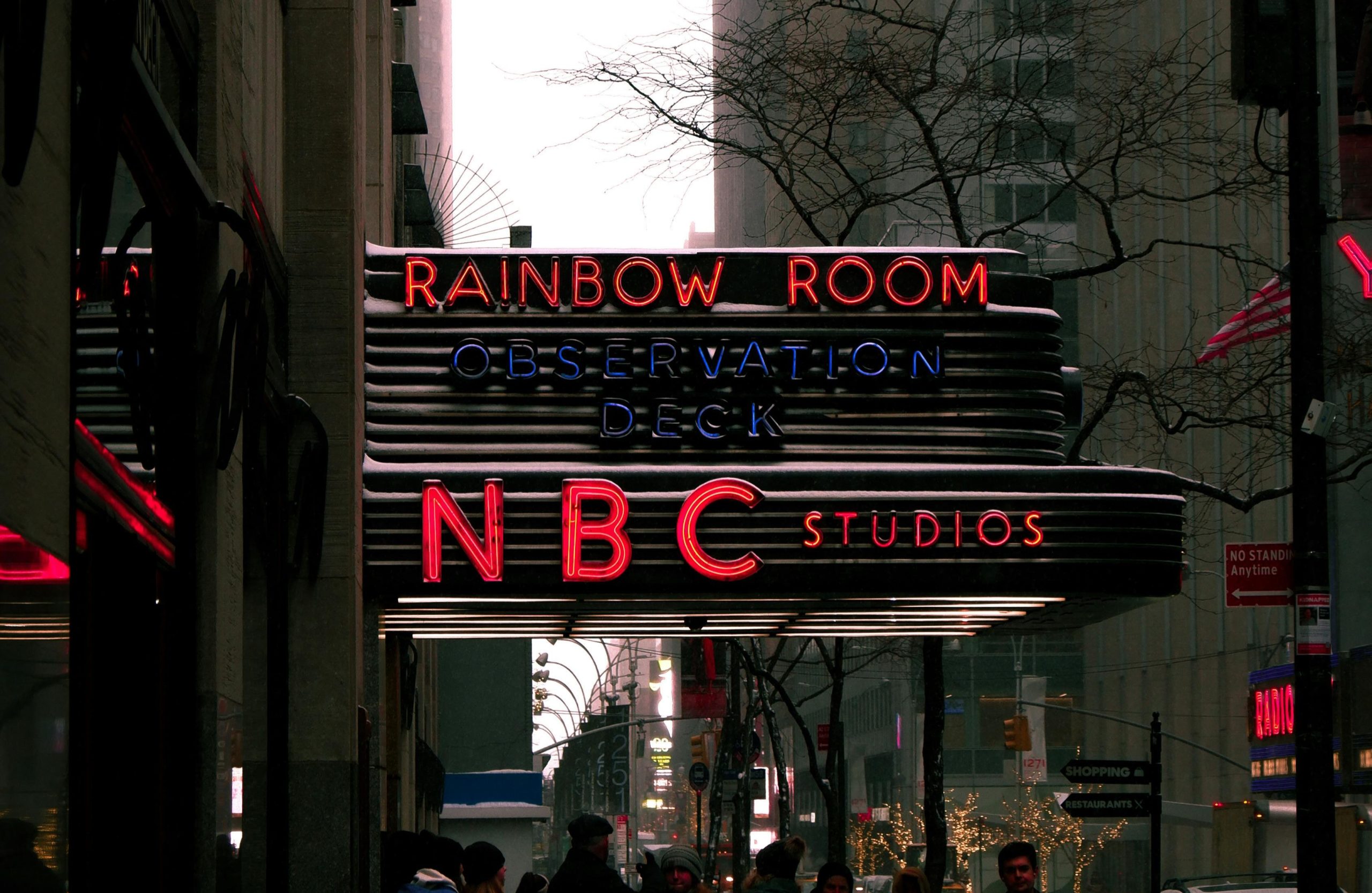
The iconic neon sign at 30 Rockefeller Center, which has been glowing above the side entrance since 1935, is set to be replaced with more energy-efficient LEDs. When it was first built, this neon signage was a beacon of modernity, symbolizing not just the power of broadcast media but also the rich history of the Radio Corporation of America (RCA), the company behind NBC. For decades, it has illuminated one of New York City's most famous landmarks, a lasting reminder of the era when RCA's pioneering technology shaped American media.
However, in a move that has sparked debate, Tishman Speyer—the real estate firm that owns Rockefeller Center—is applying to the Landmarks Preservation Commission to replace the neon with LED lighting. While LEDs are certainly more cost-effective, energy-efficient, and lower-maintenance, the change marks a shift from an architectural and cultural icon to a more modern, but arguably less distinctive, design. The glowing neon letters have long been a part of Rockefeller Center’s identity, connecting us to the past and offering a warm, nostalgic glow that LEDs simply can't replicate.
At Sign Expo, we specialize in both classic neon and modern LED neon, bridging timeless artistry and sustainable innovation. Neon’s handcrafted glow evokes nostalgia and cultural significance, offering unmatched warmth and character. LED neon, on the other hand, provides energy efficiency, durability, and flexibility, with lower maintenance costs and the ability to mimic traditional neon’s aesthetic. The transition at Rockefeller Center reflects a broader question: how do we honor the charm of neon while embracing the practicality of LEDs? With thoughtful design, we believe it’s possible to preserve history while lighting the way forward.
As we move towards a more sustainable future, it's important to ask—what do we stand to lose in the process? Will the future of signage be defined by efficiency, or will we find a way to preserve the historical and cultural significance of these iconic landmarks?