10 Fun Facts About Signage You Probably Didn’t Know
Signage is more than just a practical tool for navigation or advertising—it has a rich history and fascinating quirks. From ancient civilizations to modern-day digital billboards, here are ten fun facts about signage that will change the way you look at signs!
1. The Oldest Signage Dates Back to Ancient Egypt
The first signs can be traced back to ancient Egypt, where hieroglyphics on stone walls served as directional and informational signage. Egyptians used symbols and images to communicate important messages in temples, marketplaces, and tombs.

2. Romans Were the First to Use Commercial Signage
The Romans were pioneers in using signs for commercial purposes. They created “taberna” signs, using images to represent businesses like taverns and workshops, since many people couldn’t read. These visual signs communicated messages quickly and effectively.

3. NYC's Times Square: A Digital Signage Wonderland
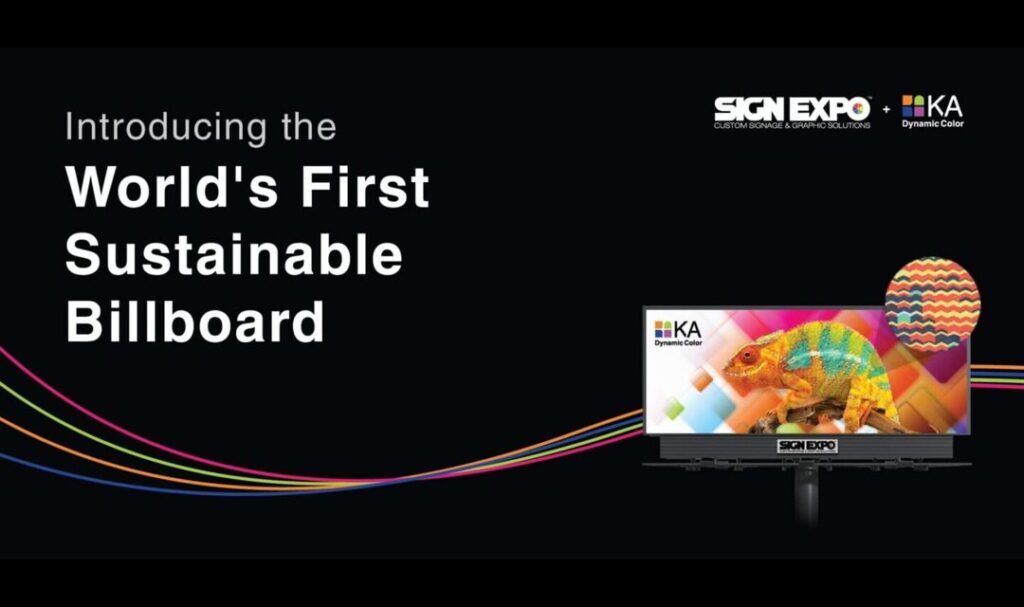
Times Square in New York City is famous for its vibrant and massive digital billboards. It's home to some of the most iconic electronic signs in the world, including the famous NASDAQ sign. Covering 11,000 square feet, it holds the record for the largest digital display in the world.
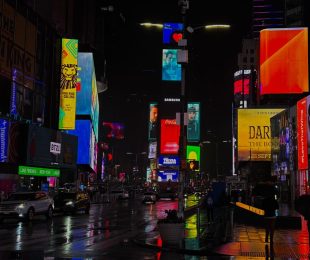
We had the pleasure of helping Tamashii Nations Store with both interior and exterior signage for their brand-new store in Times Square, adding to the vibrant visual landscape of this iconic location.

4. Neon Signs Were First Introduced in 1910
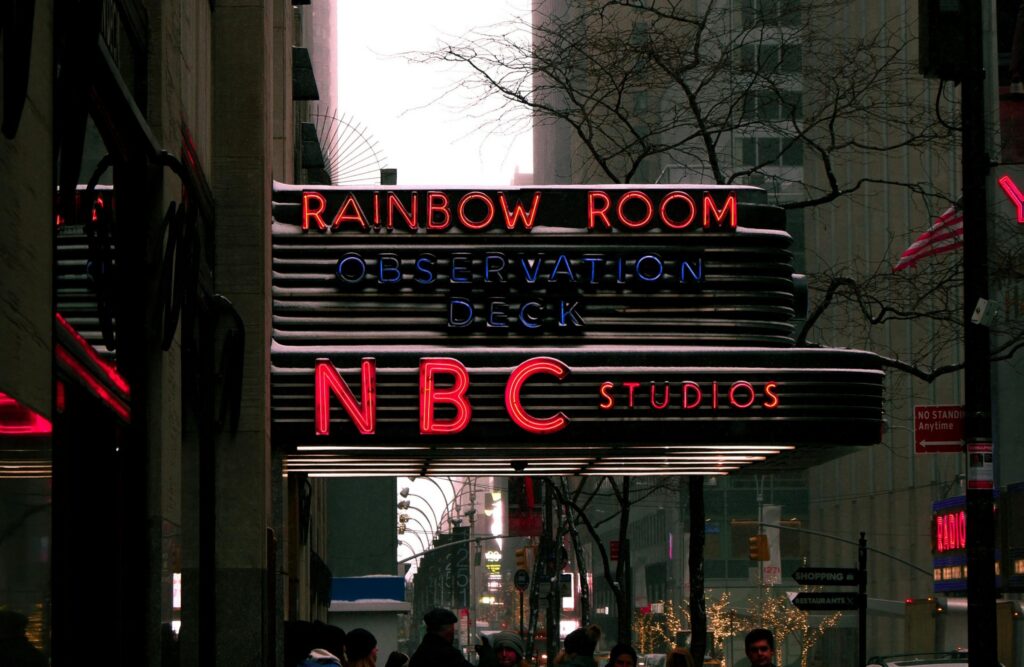
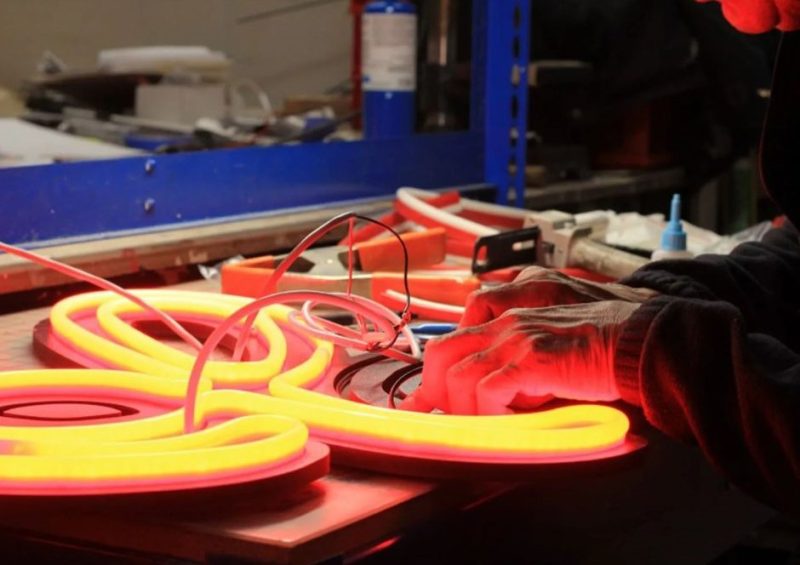
French engineer Georges Claude created the first neon sign in 1910. Neon signs became a popular advertising tool because of their bright, colorful glow, which was especially effective at night. By the 1920s, neon signs lit up cities around the world.

5. NYC’s Oldest Surviving Neon Sign Is Still Glowing
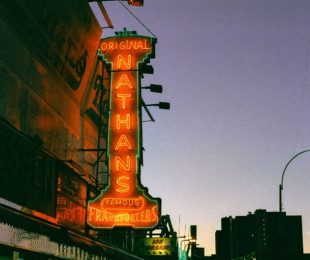
Speaking of neon, New York City's oldest surviving neon sign belongs to the restaurant Nathan’s Famous on Coney Island. Installed in 1928, this iconic sign has been shining bright for nearly a century, serving as a beacon for hot dog lovers from all over.
6. The Hollywood Sign Used to Say ‘Hollywoodland’
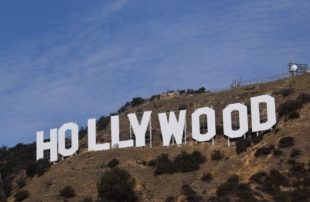
The iconic Hollywood sign originally read "Hollywoodland" when it was erected in 1923 to promote a new real estate development. In 1949, the last four letters were removed, leaving the famous “Hollywood” we know today.
7. Road Signs Have International Standards
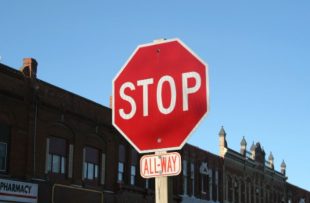
To help drivers navigate across different countries, road signs are standardized by the Vienna Convention on Road Signs and Signals. This means stop signs, yield signs, and speed limit signs look almost identical no matter where you travel.
8. Color Matters
Colors in signage have psychological effects. Red is used for warnings or stops because it grabs attention quickly, while green is often associated with direction or safety. The strategic use of colors helps people process information faster. Learn more about signage color combinations in our color combinations blog!

9. Digital Signage Can Boost Sales
Studies show that digital signs increase sales by up to 30%. The dynamic nature of digital signage captures attention better than static signs and can be easily updated to promote new products or offers.

10. The World’s Tallest Sign is in Las Vegas
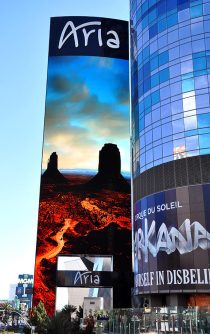
The tallest sign in the world belongs to the Aria Resort and Casino in Las Vegas, standing at an impressive 261 feet tall. This massive sign is designed to be visible from miles away, showcasing the resort's name and attracting visitors to one of the Strip's most luxurious destinations.
Signage is everywhere—from ancient history to cutting-edge technology. The next time you see a sign, remember there’s more to it than meets the eye!