Swing Signs
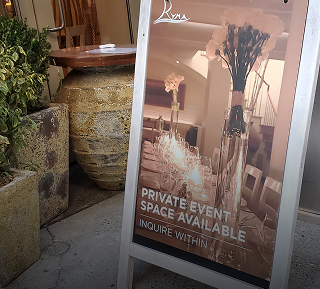
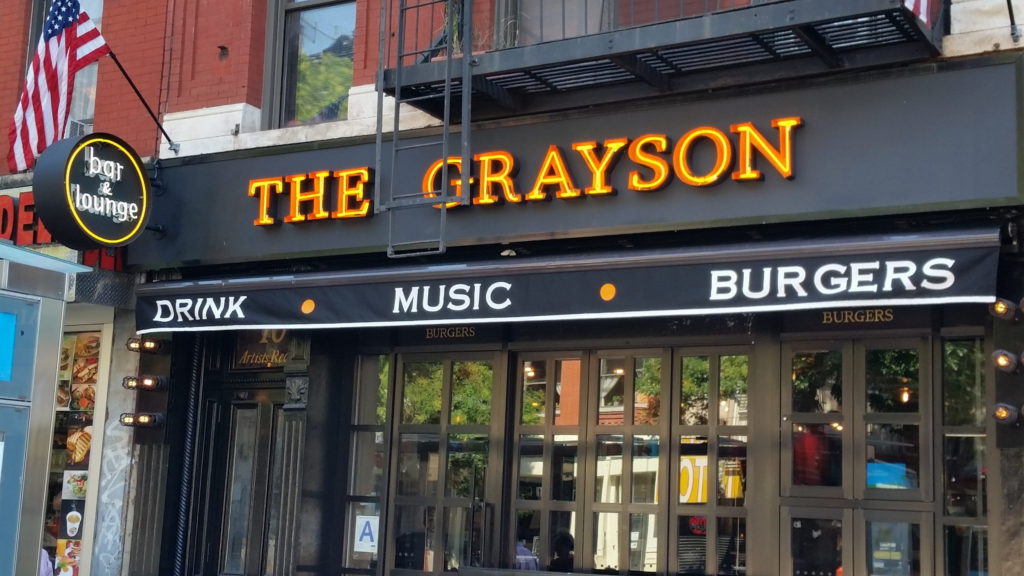
Few signs do more for a storefront with less square footage than a well-crafted swing sign. Projecting perpendicularly from the building facade, a swing sign speaks to pedestrians moving along the sidewalk — people who would never see a flat wall sign until they’d already passed it. In a city like New York, where foot traffic moves fast and storefronts compete for attention at every step, a swing sign isn’t a nice-to-have. It’s often the most important sign on the building.
Great For
Swing Signs
What Makes a Great Swing Sign
A great swing sign stops the right people, communicates the right message, and looks like it belongs. We design and fabricate swing signs that are scaled correctly, finished beautifully, and built to hold up.
Materials That Set the Tone
Wrought iron says classic. Brushed aluminum says modern. Painted steel says bold. We work with metal, wood, acrylic, cast iron, composite.
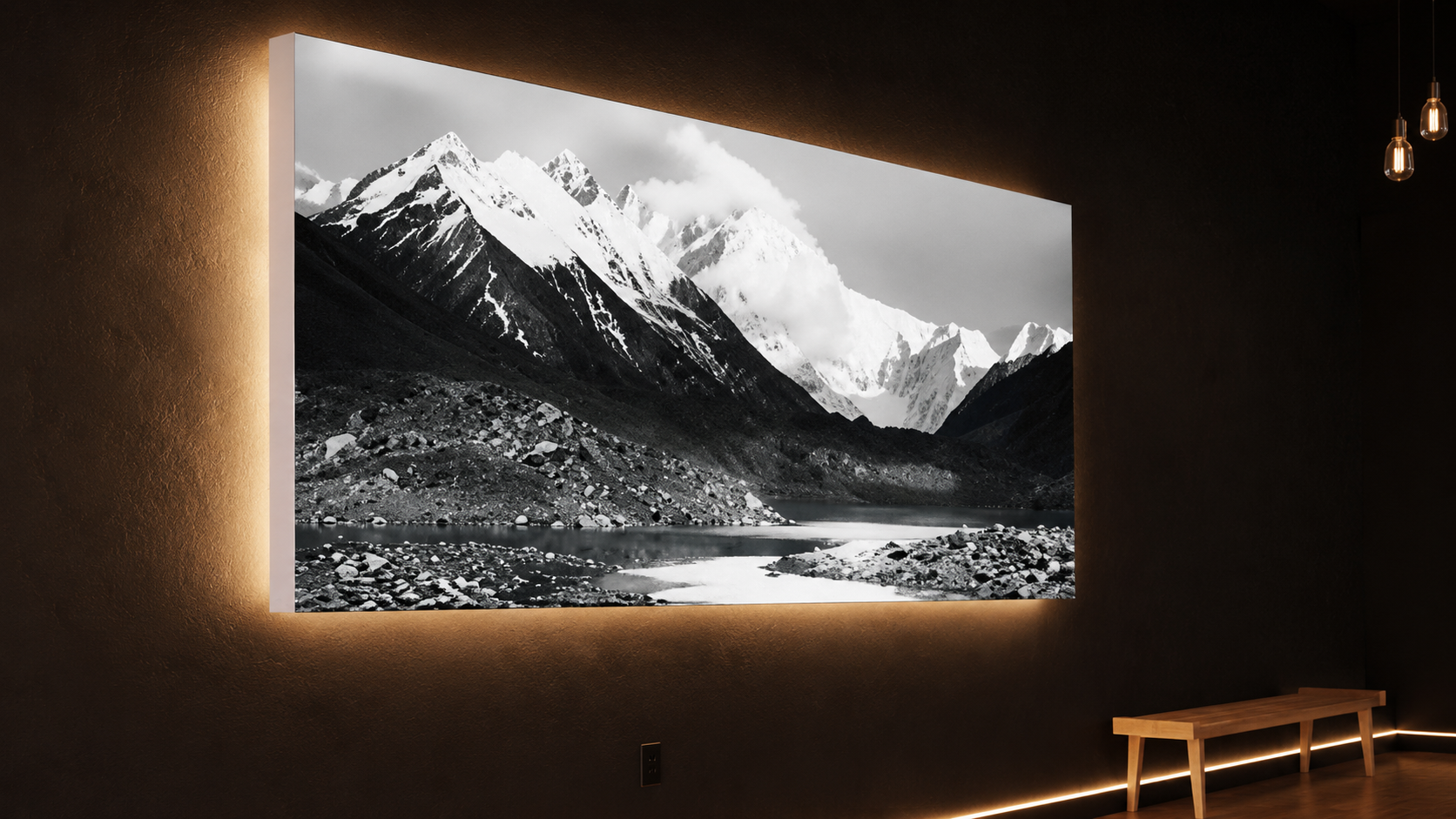
Illuminated Swing Signs
Internally lit faces, halo-lit dimensional elements, and externally spot-lit options.


Bracket Design and Structural Integrity
We design and fabricate custom brackets that are structurally sound, properly anchored to the building, and finished to complement the sign.
Permits: Required and Handled
In NYC, projecting signs require a DOB permit, and in landmark districts LPC review is an additional step. We manage the entire permitting process.

Swing Signs FAQs
Yes. All projecting signs in New York City require a Department of Buildings permit, and in some cases additional approvals from the Landmarks Preservation Commission or other agencies. We handle the full permitting process — it’s included in how we work, not an add-on.
Size is governed by aesthetics, structural considerations, and New York City sign codes. Typically in NYC, a swing sign cannot project more than 18″ from the property line. We’ll advise you on what’s permissible at your specific location and what size makes sense visually for your facade.
Yes, and for most street-level applications a double-faced sign — readable from both directions along the sidewalk — is the right choice. Single-faced signs make sense in specific situations, such as when the sign is positioned at the end of a building and is only visible from one direction.
A well-fabricated, properly installed swing sign in quality materials should last 10 years or more with minimal maintenance. Painted finishes may need touch-up over time, and illuminated components will eventually need servicing. We offer maintenance and repair services throughout its life.