Plaques & ADA Signage
Not every sign announces itself. Some of the most important signage in a building works quietly — identifying rooms, guiding people through spaces, meeting legal requirements, and doing it all with a level of craft and finish that reflects well on the building and the organization behind it. When plaques and ADA signage are done right, they elevate the entire environment. When they’re done cheap — everyone notices, even if they can’t articulate why.
Great For
Plaques & ADA Signage
ADA Signage: Compliance Is the Floor, Not the Ceiling
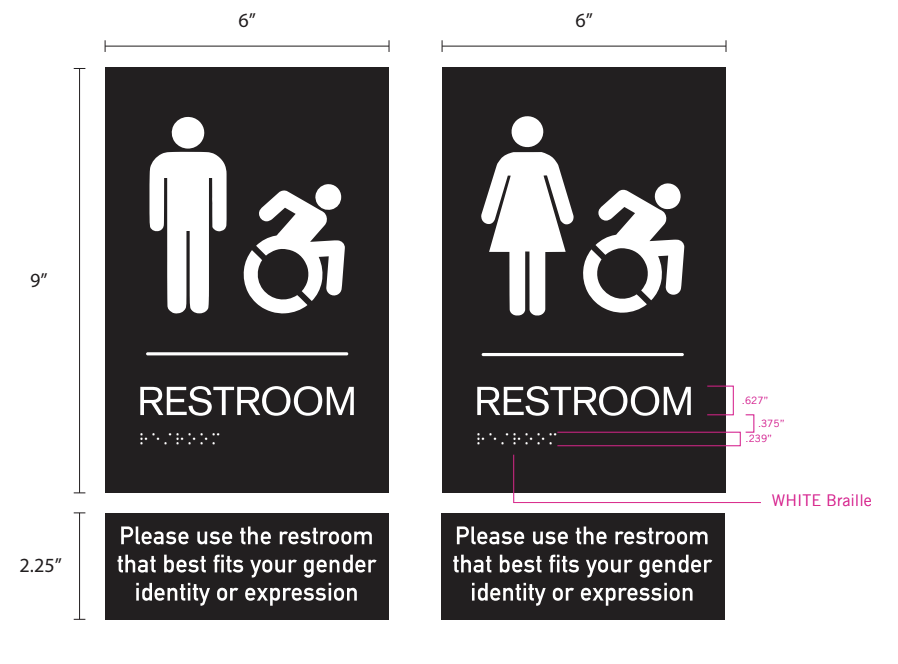
We design and fabricate ADA-compliant signs that satisfy every requirement — tactile characters, Grade 2 Braille, non-glare finishes, correct mounting heights — while looking like they were designed with intention.
Materials and Finishes That Speak to the Space
Cast bronze, cast aluminum, brushed and painted metals, acrylic, glass, wood, stone, and composite materials in finishes from high-polish metals to matte powder coat.
Architectural Plaques: Permanence and Prestige
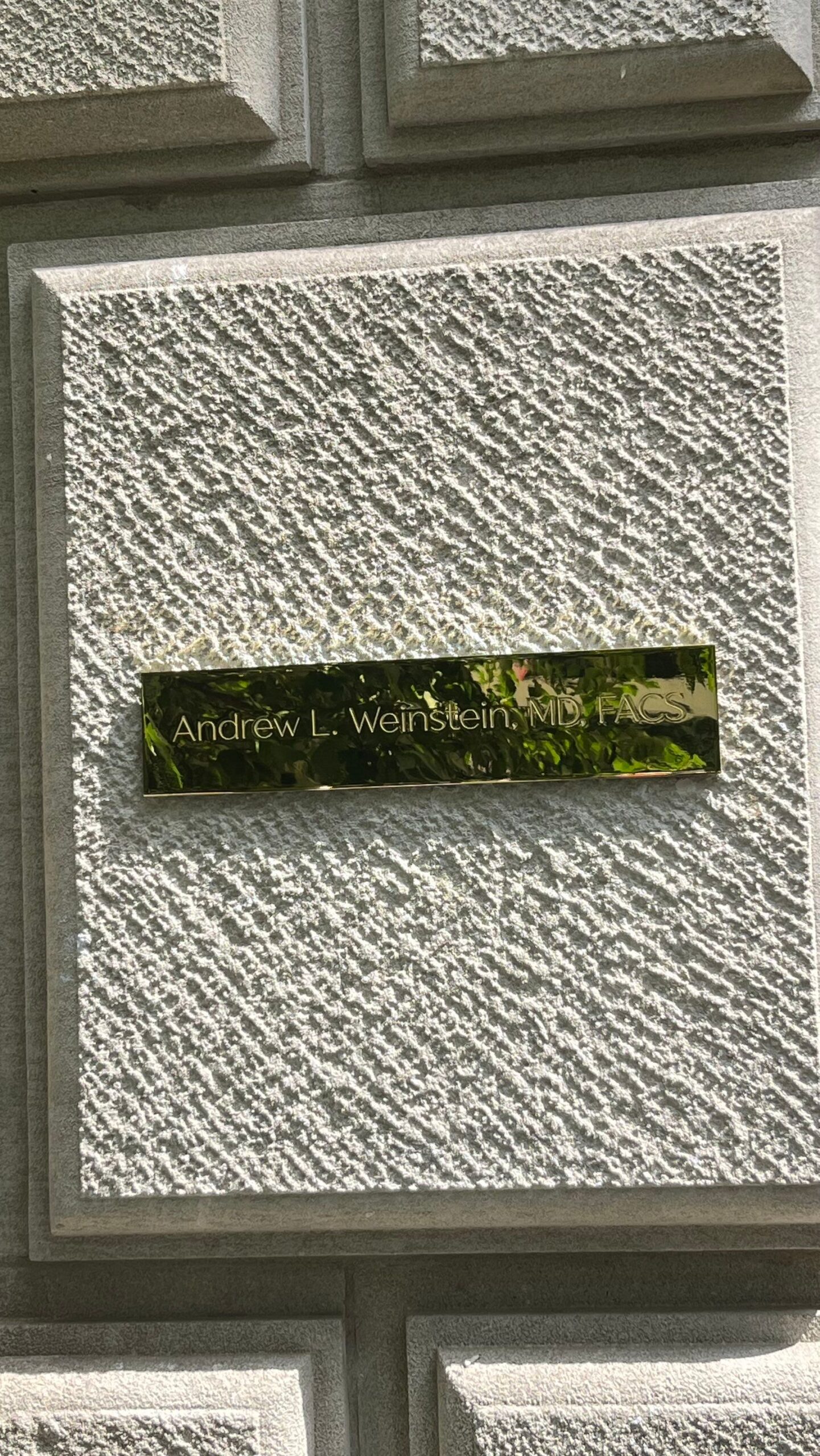
Cast bronze and cast aluminum plaques for building identification, donor recognition, historical commemoration, dedication and memorial applications.
Donor Walls and Recognition Displays
We work with hospitals, universities, cultural organizations, and corporations to design recognition displays that honor their subjects appropriately.
Wayfinding Integration
Complete interior sign programs where every element is part of a cohesive visual system.
Plaques & ADA Signage FAQs
ADA standards cover: tactile raised characters and Grade 2 Braille for room identification signs, non-glare finishes, specific character height and stroke width ratios, mounting height of 60 inches to centerline, and placement on the latch side of the door. We know these requirements thoroughly and apply them to every applicable sign we produce.
No. ADA requirements apply to specific sign types — primarily permanent room identification signs for spaces that aren’t likely to change. Directional signs, informational signs, and overhead signs have different or no tactile requirements. Part of what we do is help clients understand which signs require full ADA compliance and which don’t, so the budget is allocated correctly.
Yes, and this is something we plan for from the start. We maintain records of the original design, materials, and finishes so that updates and additions match seamlessly. Whether it’s adding a new name panel or expanding the display, we handle it with the same care as the original installation.
In most cases, yes. If you need to add to an existing sign program, replace a damaged piece, or expand a donor wall that was originally produced elsewhere, we can typically match the material, finish, and format closely enough that the new pieces are indistinguishable from the originals.