Balancing Creativity and Functionality

In the world of marketing and branding, signage serves as a silent yet powerful ambassador for businesses, communicating messages, guiding customers, and shaping perceptions. Behind every effective sign lies a delicate balance between creativity and functionality, where aesthetics meet practicality to create impactful visual solutions. In this blog post, we'll explore the art of signage design and how striking this balance can elevate the success of your business.
Understanding the Creative Process
At its core, signage design is a creative endeavor that requires a deep understanding of branding, typography, color theory, and spatial awareness. It starts with a thorough analysis of the client's brand identity, target audience, and messaging objectives. Designers delve into the essence of the brand, extracting its unique personality traits and values to inform the visual direction of the signage.
Embracing Creativity
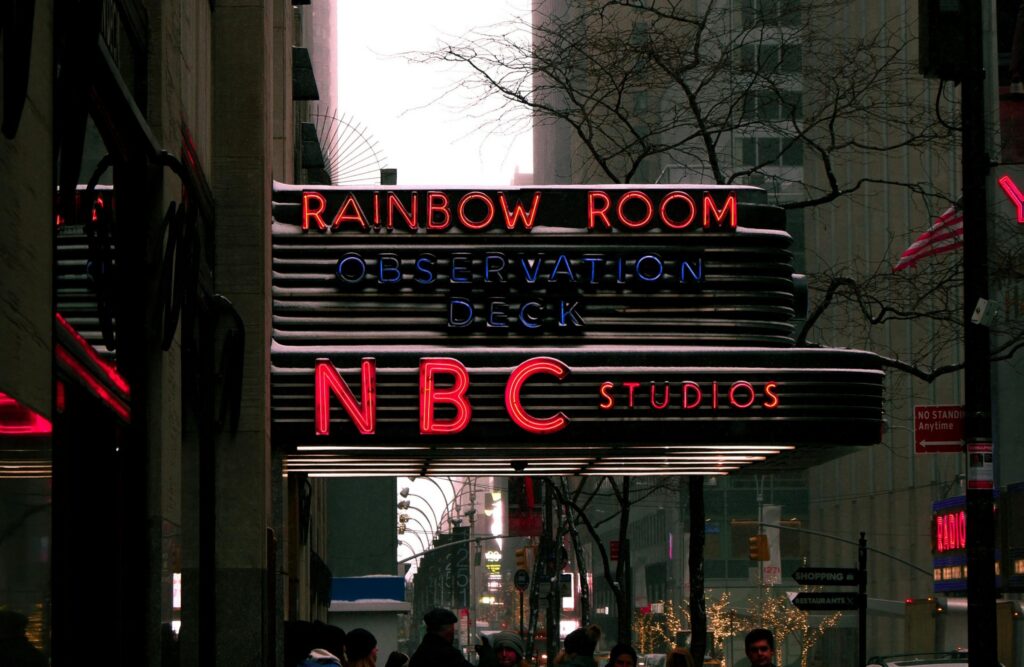
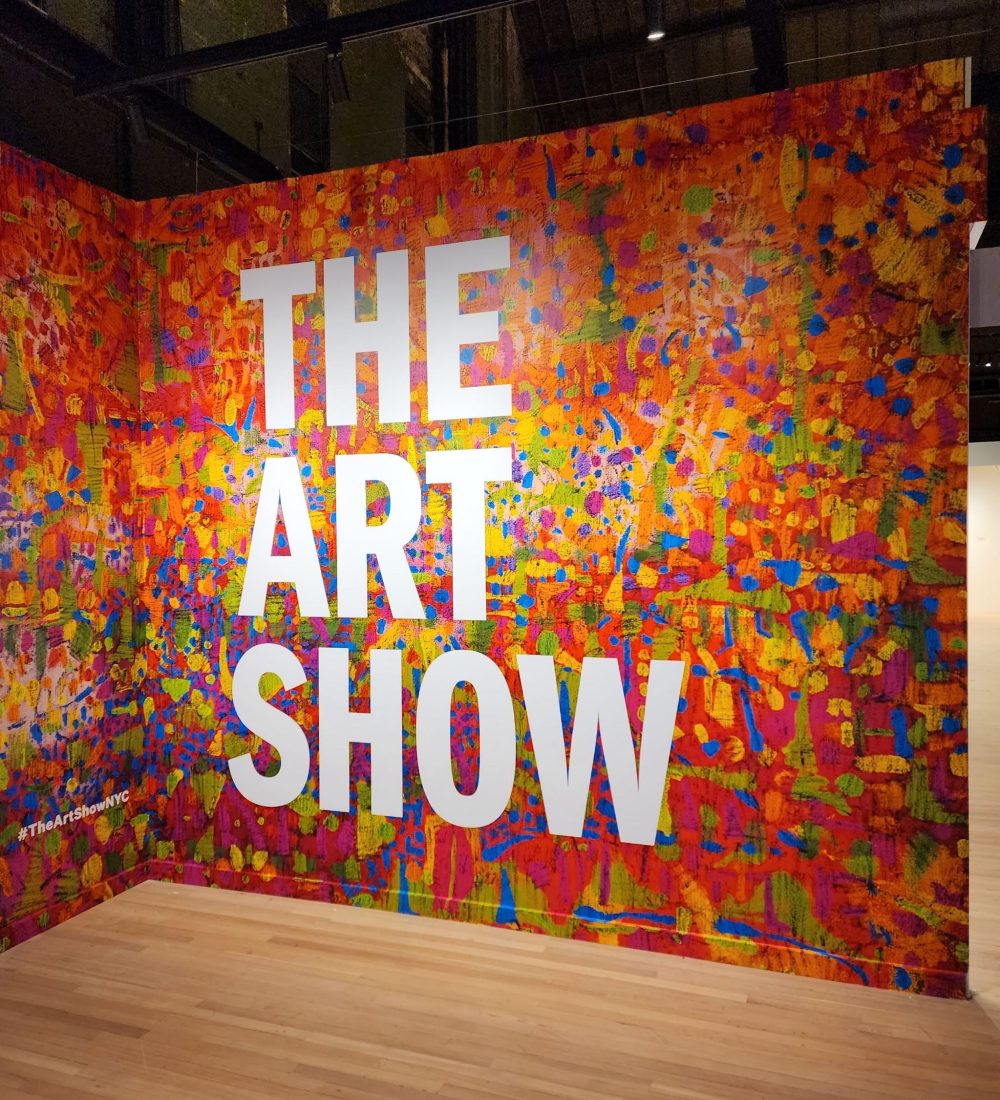
Creativity knows no bounds in the world of signage design. From traditional hand-painted signs to cutting-edge digital displays, the possibilities are endless. Designers leverage a wide range of techniques and materials to bring their creative visions to life, whether it's experimenting with bold typography, vibrant colors, or innovative lighting effects. The goal is to create signage that not only captures attention but also leaves a lasting impression on viewers.
Balancing Form and Function
While creativity fuels the design process, functionality is equally important. A beautifully designed sign serves little purpose if it fails to effectively communicate its intended message or serve its intended function. Designers must carefully consider factors such as readability, visibility, and placement to ensure that the signage fulfills its practical objectives. This often involves striking a delicate balance between aesthetics and usability, where every design element serves a purpose without compromising visual appeal.
Harnessing the Power of Simplicity
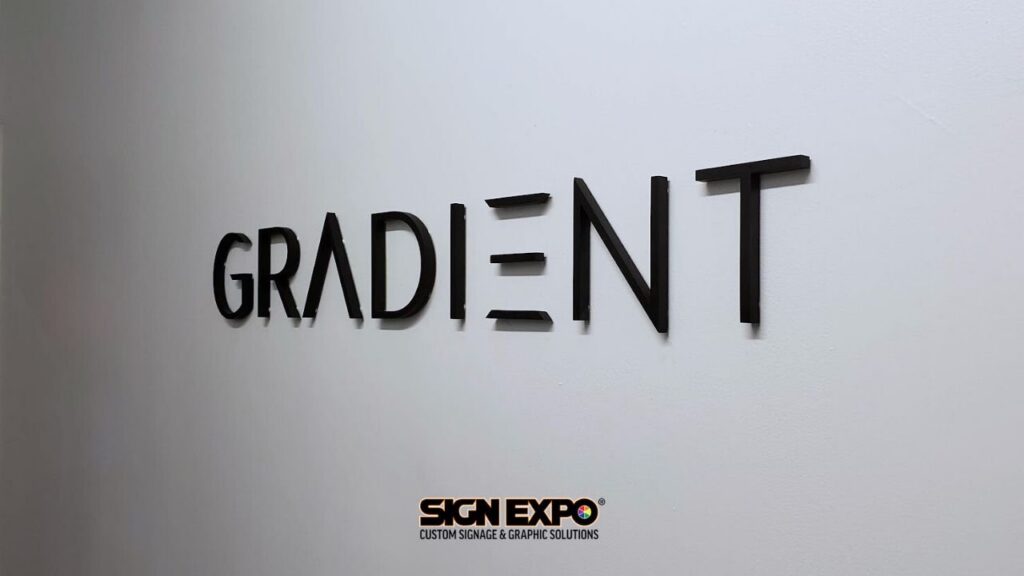
In the world of signage design, less is often more. Simple, clean designs tend to be more effective at capturing attention and conveying messages than cluttered or overly complex ones. Designers strive to distill complex ideas into clear, concise visuals that can be understood at a glance. This minimalist approach not only enhances readability but also fosters a sense of elegance and sophistication that reflects positively on the brand.
Iterative Design and Feedback
Signage design is rarely a linear process. Designers typically go through multiple iterations, refining their concepts based on feedback from clients, stakeholders, and end-users. This iterative approach allows for continuous improvement and ensures that the final design meets the needs and expectations of all parties involved. Designers welcome constructive criticism as an opportunity to learn and grow, ultimately delivering signage solutions that exceed expectations.
In the dynamic world of signage design, creativity and functionality are two sides of the same coin. By embracing creativity while remaining grounded in practical considerations, designers can create signage that not only captivates audiences but also drives results for businesses. Whether it's a striking storefront display, an informative wayfinding system, or an engaging digital billboard, effective signage design has the power to leave a lasting impression and elevate the success of any brand.