ADA Signage 101: How to Identify Which Signs Require Braille

Ensuring your business is accessible to all customers is both a legal requirement and a reflection of inclusivity. One critical aspect of this is ADA-compliant signage, including braille signs. But which signs need to include braille, and why is it important?
What is ADA and Braille Signage?
The Americans with Disabilities Act (ADA) prohibits discrimination against individuals with disabilities. ADA-compliant signage includes specific requirements for braille to help visually impaired individuals navigate public spaces. Braille signage uses raised dots to represent letters and numbers, allowing individuals who are blind or have low vision to read by touch.
Which signs need to include braille?
Under ADA guidelines, braille must be included on certain signs, such as:
1. Room identification signs
Permanent rooms and spaces — such as restrooms, meeting rooms, and offices — must include braille so visitors can identify them by touch.
2. Exit and directional signs
Exit and wayfinding signage must include braille to help visually impaired individuals move through a building safely and find their way.
3. Emergency evacuation maps
Emergency and evacuation information must be available in braille so everyone can respond quickly and safely in a crisis.
These signs provide essential information for individuals with visual impairments, ensuring they can navigate spaces safely and independently. Proper braille signage not only enhances accessibility but also helps businesses comply with legal requirements and avoid potential penalties.
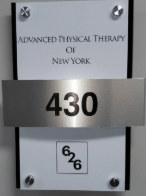
Why is Braille Signage Important?
Incorporating braille goes beyond legal compliance; it’s about creating an inclusive space where everyone can navigate independently. Braille signage empowers visually impaired individuals to move through spaces with ease and dignity. Not having ADA-compliant braille signs can result in fines, lawsuits, and harm to your business’s reputation as an inclusive space.

What are the Benefits of Braille Signage?
- Enhanced Accessibility: Braille signs make it easier for visually impaired individuals to navigate spaces, such as finding restrooms or identifying rooms in hotels.
- Compliance and Legal Protection: Ensuring your signs meet ADA requirements protects your business from legal issues, especially in public spaces like offices, hotels, and restaurants.
- Promotes Inclusivity: Demonstrating a commitment to accessibility can build customer loyalty and attract individuals who value inclusive environments.
- Boosts Brand Reputation: ADA-compliant businesses are seen as socially responsible, which can enhance your brand’s image.
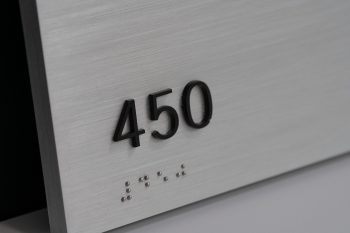
Determining which signs need braille may seem complex, but with ADA guidelines and a trusted partner like Sign Expo, you can ensure your business is inclusive, accessible, and compliant. Contact us today to learn more about upgrading your space with ADA and braille signage.